Build Your Own Shootout
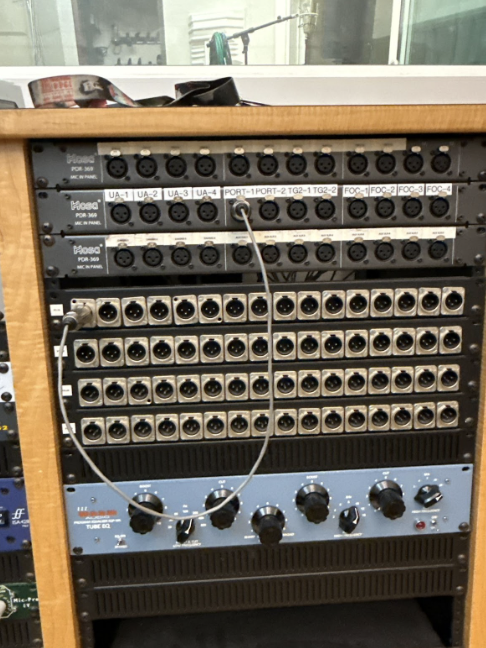
For this project, I conducted a preamp shootout. My goal was to compare the sonic characteristics of several preamps while having the same microphone. Using a Shure KSM44a condenser microphone, I tracked classical vocals through each preamp in order. During this project I wanted to see the different preamps that would be used more for classical recordings.
The articles I read in preparation for recording this include:
4-710d Universal Audio and Vocals https://tapeop.com/reviews/gear/83/4-710d-mic-preamp
Recording Vocals https://www.abbeyroad.com/news/how-to-record-and-process-studio-vocals-at-home-2700
Classical Vocals https://gearspace.com/board/all-things-technical/950995-how-record-opera-vocals.html
These articles helped to give me an idea of how to record classical vocals versus any other genre. This influenced my setup by understanding that the gain/ input will be more diverse, and to put a microphone in a bigger room to provide some natural reverb
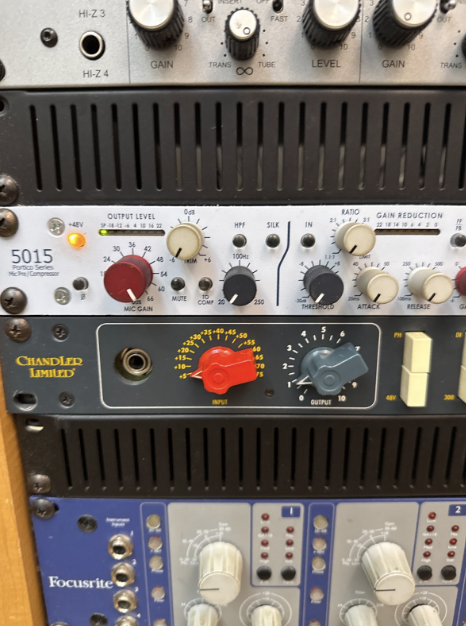
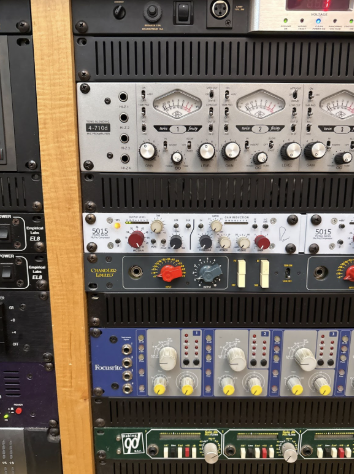
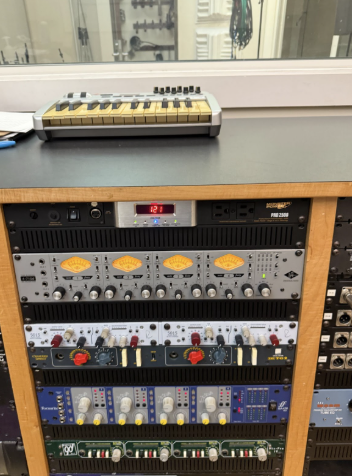
The four preamps I tested were the Rupert Neve Designs Portico 5015, the Daking Mic-Pre/EQ 90, the Focusrite ISA series, and the Universal Audio 4-710d. The Portico 5015 is a channel strip that combines a microphone preamplifier with Neve’s signature compressor/limiter. The Daking 90 offers a Class A, transformer-balanced circuit inspired by vintage Trident consoles. The Focusrite ISA preamp is renowned for its transparent yet subtly colored transformer tone, descended from Rupert Neve’s original ISA designs. The UA 4-710d is a hybrid preamp that allows blending between a solid-state circuit and a tube circuit, offering multiple tonal possibilities in one unit.
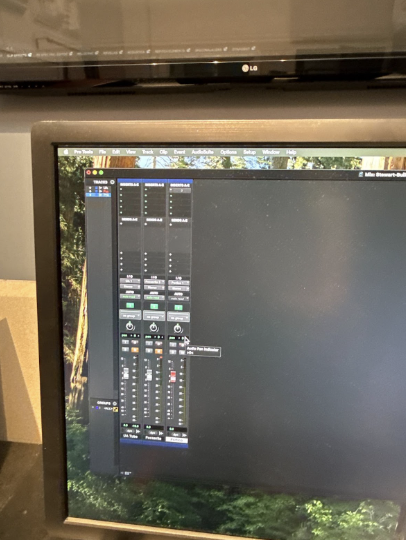
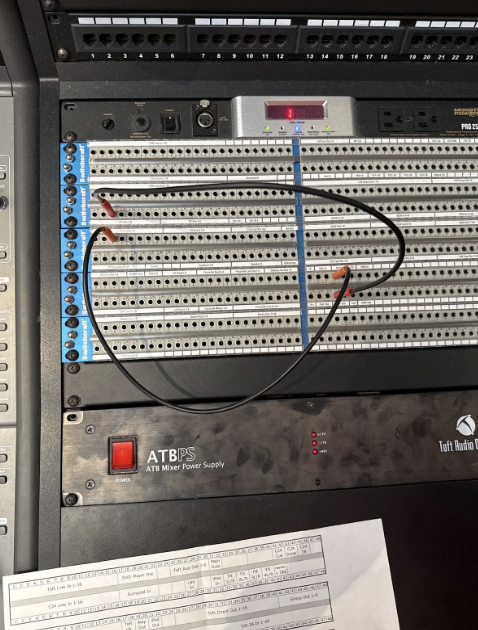
During my scheduled studio time, I did have difficulties getting the Daking and Portico to connect to ProTools. Out of the two that I was able to use, the Focusrite ISA preamp sounded clean and detailed, with a subtle low-end heft and airy highs, making it versatile for a range of instruments. The UA 4-710d offered the most tonal flexibility: the solid-state side produced a fast, articulate response, while the tube side added harmonic saturation and thickness, especially effective for adding warmth to vocals or acoustic guitar. Overall, I personally liked the UA the most.
I personally overall like the UA better because it gave more warmth to the voice.